Supermarkets
Efficient heat rejection protects the whole system
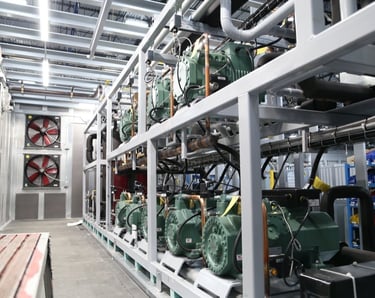
Keeping rack performance stable under all conditions
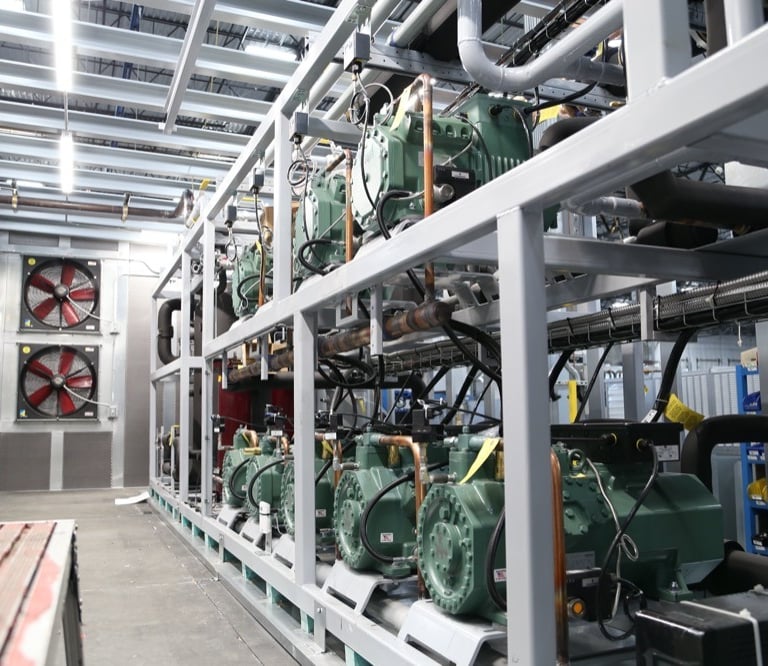
Supermarket refrigeration relies on central rack systems designed to run continuously under varying load conditions. These can be traditional HFC systems or transcritical CO₂ (R744) packs, each with distinct operating pressures, control strategies, and maintenance requirements. CO₂ systems in particular demand close attention to high‑pressure operation, gas‑cooler performance, and valve control to maintain stable transcritical and subcritical operation.
Our maintenance work focuses on the areas that most commonly cause performance issues: oil return problems, drifting superheat, incorrect subcooling, EEV faults, and pressure‑regulating valve issues. We also monitor compressor performance across all stages or variable‑speed drives, as early signs of wear or imbalance often show up here first. Leak integrity is a major priority (especially on CO₂ systems) because even small losses can quickly destabilise operation. Addressing these issues early keeps racks efficient, predictable, and ready to support the full store load without disruption.
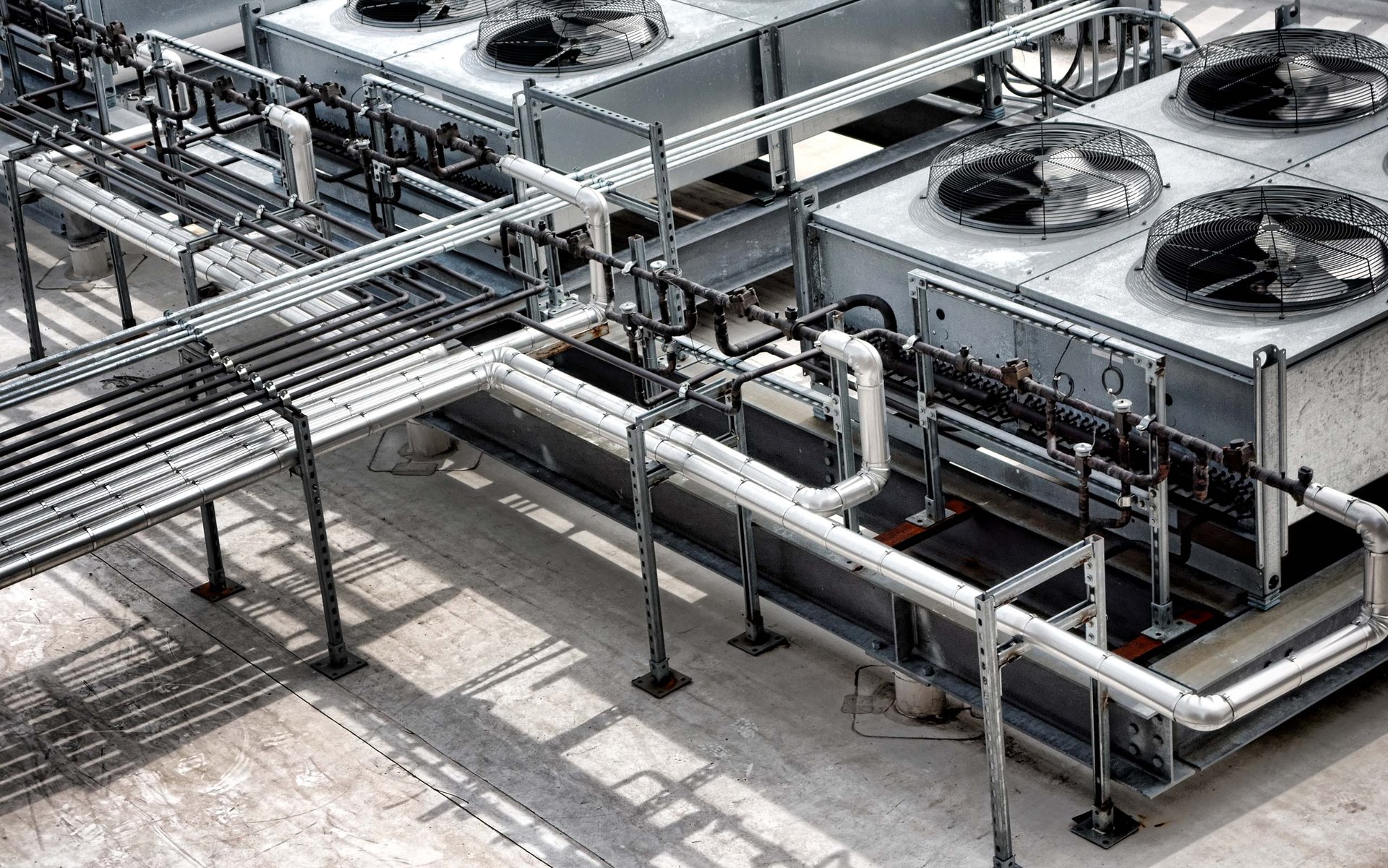
Remote condensers play a key role in maintaining stable head pressure and overall system efficiency. Their performance depends on clean coil surfaces, correct fan sequencing, and unobstructed airflow. Fouling, debris, or fan faults are common causes of elevated condensing temperatures, increased energy use, and unnecessary strain on compressors.
As part of routine maintenance and breakdown support, we carry out coil cleaning, fan‑motor and bearing checks, pressure‑control verification, and ensure the condenser is operating within its design envelope. On CO₂ systems, gas‑cooler performance is especially important, as poor heat rejection directly affects transcritical efficiency and operating pressures. Keeping these units clean and correctly controlled protects the rack, reduces compressor workload, and helps maintain consistent case temperatures throughout the store.
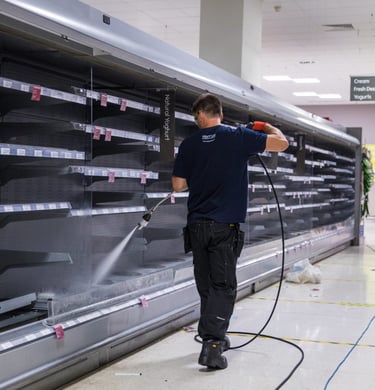
Display cases and cabinets form the customer‑facing end of the refrigeration system, and their performance directly affects product quality and energy use. Common issues include blocked return‑air paths, damaged door seals, failed fans, incorrect superheat, and defrost faults — all of which can lead to temperature instability or excessive frost build‑up.
Our maintenance work includes evaporator cleaning, fan checks, superheat verification, heater and defrost‑termination inspection, and ensuring case controllers are functioning as intended. Addressing these issues early reduces load on the rack, improves energy efficiency, and helps maintain safe, stable product temperatures.
Preventing small case faults from becoming system‑wide issues
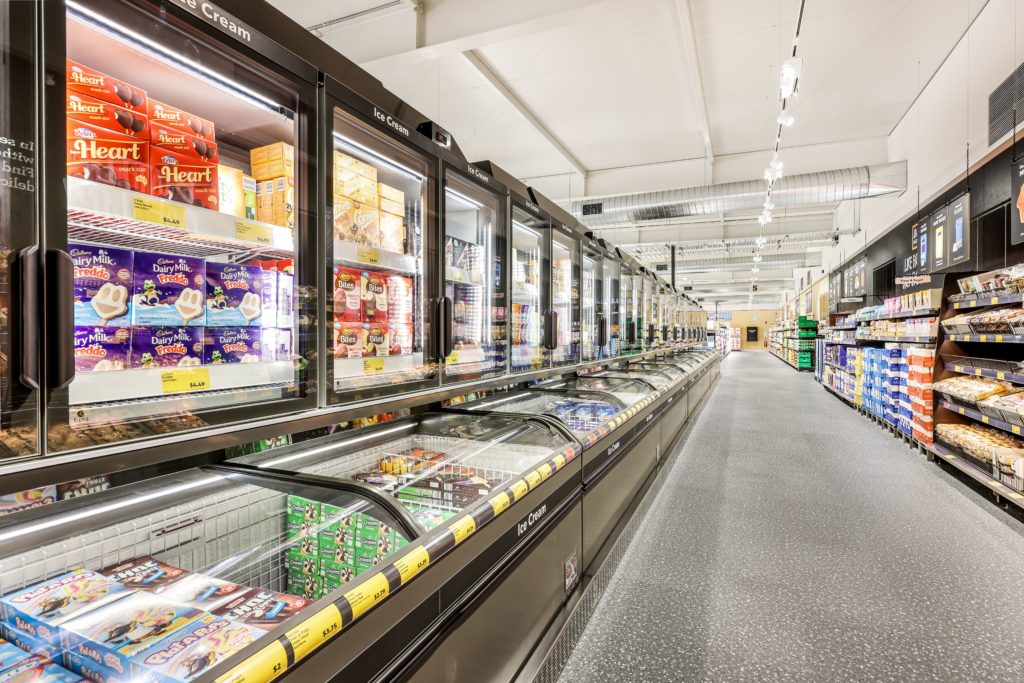
Leak testing is a core part of supermarket refrigeration maintenance, ensuring system integrity, reducing refrigerant loss, and maintaining stable operating conditions. CO₂ systems in particular require careful monitoring due to higher pressures and the rapid impact of even small leaks. Remote monitoring and control platforms support this by providing real‑time visibility of rack performance, case temperatures, alarms, and energy use. This allows early intervention, trend analysis, and fine‑tuning of setpoints to keep the plant running efficiently.
Heat‑recovery systems are also supported, ensuring correct flow, valve operation, and heat‑exchanger cleanliness so reclaimed heat can be used effectively without compromising refrigeration performance.
Ancillary tasks such as coil cleaning, drain flushing, and checking airflow paths are equally important. Dirty coils, blocked drains, and restricted airflow are among the most common causes of case flooding, icing, poor temperature control, and unnecessary energy use. Keeping these areas in good condition helps maintain reliable, efficient, and safe supermarket refrigeration systems.
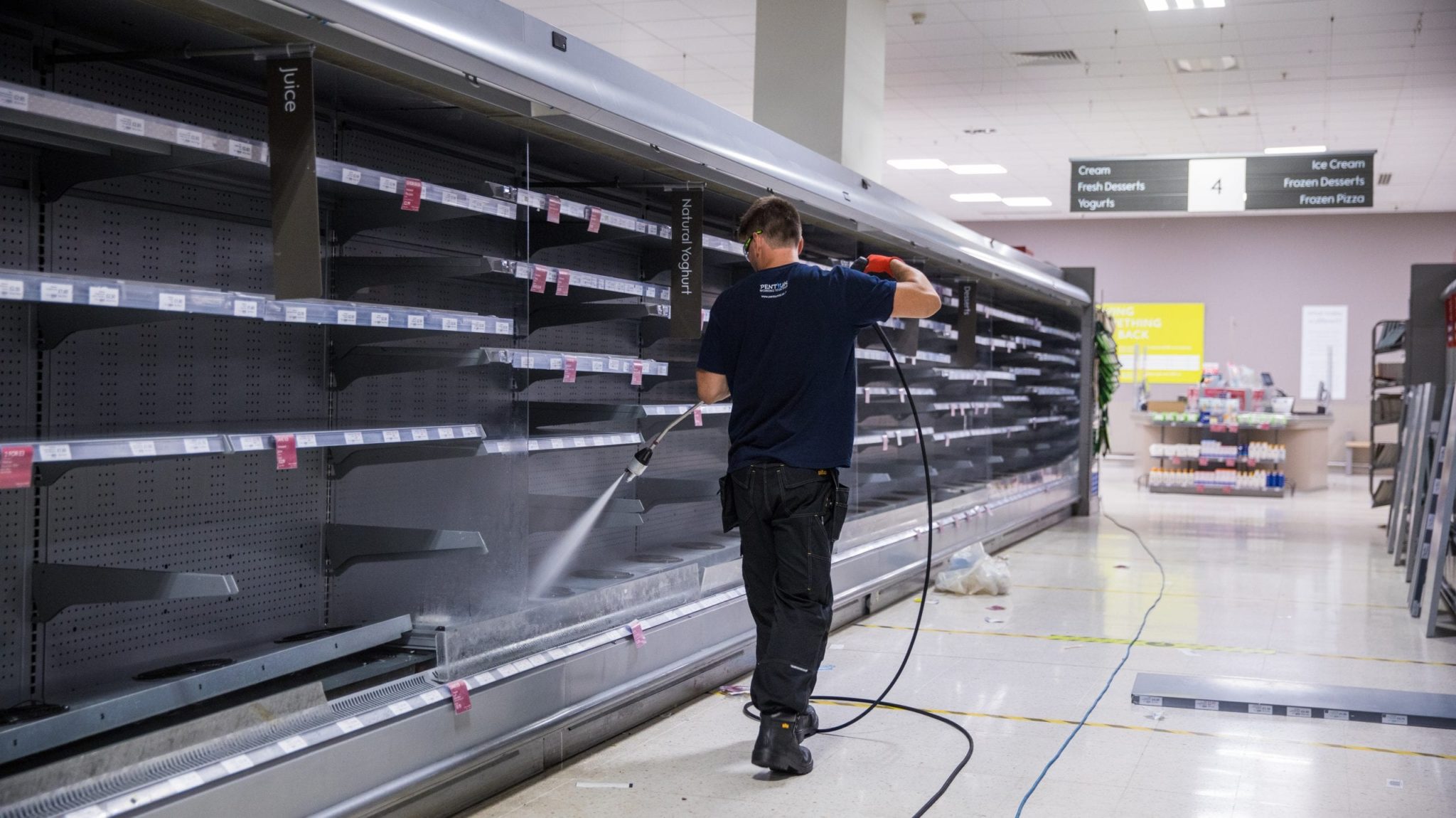
Proactive maintenance that reduce faults and energy use
Email: service@foxrefrigeration.com
© Fox Refrigeration Ltd. 2024. All Rights Reserved
Registration Number: 15743091
Need Assistance?
Commercial Refrigeration, Air Conditioning and HVAC services across North West England and North Wales.
24‑hour breakdown support available.
Tel: 08009704929
North West England, North Wales, Nationwide support available